Windsor

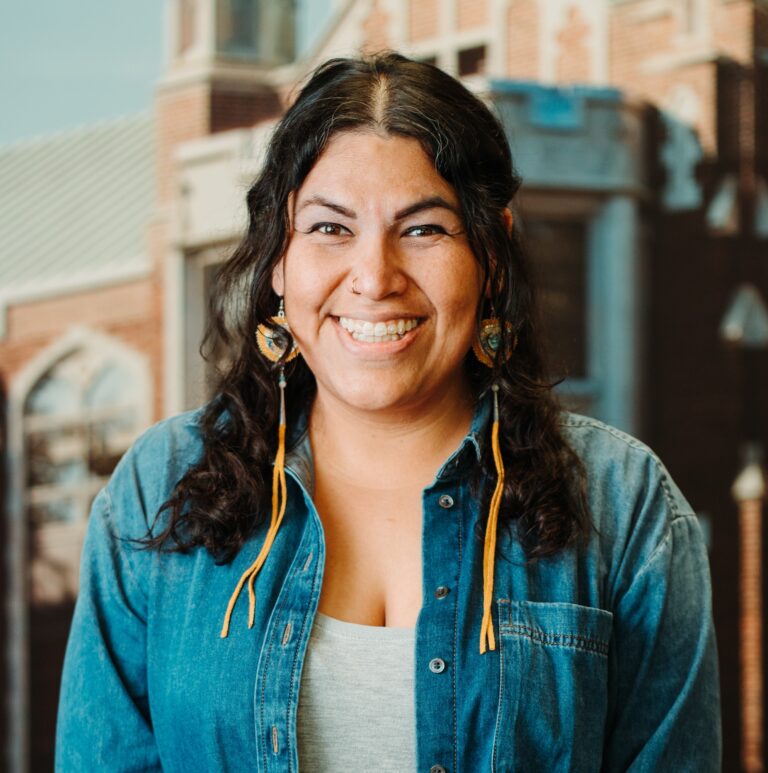
Kat Pasquatch

Founder Culture Shock Bead Co
Visit Kat's website
  • Currently serves as the President of the Board of Directors for Can-Am Urban Native Non-Profit Homes
  • Previously served on the External Affairs Committee at Art Windsor-Essex
  • Founded her authentic Native jewelry, art and craft boutique with her mother in 2020
  • Currently works with the Turtle Island- Indigenous Student Services Centre at the University of Windsor as the Indigenous Outreach and Retention Coordinator

Kat Pasquatch’s Priority Issues

Fiscal responsibility:

Practice fiscal responsibility on the campaign trail and keeping a stable property tax

Street and road safety:

Prioritize road maintenance and pothole repair, improve traffic control in school zones/high-volume areas, assess speed limits to keep everyone safe, hold landlords of neglected and vacant homes accountable for their properties/sidewalks, expand street safety programs like Snow Angels

Housing that puts people first:

Focus on advocacy and resources for social housing and shelter support., incentives for new developments of co-operative housing, resulting in a place to call home with stable rent, pushing back on for-profit corporations and multi-home owners for detached houses, semi-detached houses, and townhouses, protecting our residents from exploitative landlords and moving forward with Windsor’s Residential Rental Licensing program.

Crime reduction:

Youth programming: after school activities, developing peer support/mentorship/job training programs, intervention programs Basic needs for the unhoused: daytime facilities outside of shelter spaces, supervised consumption and safer-use services, improve access to food, shelter, beds, showers, and clean clothing

Source: votekatformayor.ca

Kat’s Answers: Muslims & Islamophobia

How will you strengthen relationships and trust between police services and Muslim communities?

How will you work with mosques, Islamic schools, and Muslim organizations to improve community safety and emergency preparedness?

What steps will you take to address Islamophobia and anti-Muslim discrimination?

How will you ensure Muslim residents and community organizations have a meaningful voice in municipal decision-making?

How will you support Muslim organizations that provide community services, settlement support, youth programming, food assistance, and other essential services?

How can the city provide a more nuanced approach to zoning for religious institutions (such as mosques) given their practices, cultures and needs differ?

What do you think is the greatest problem the ward is facing, and how do you plan to address it?