London

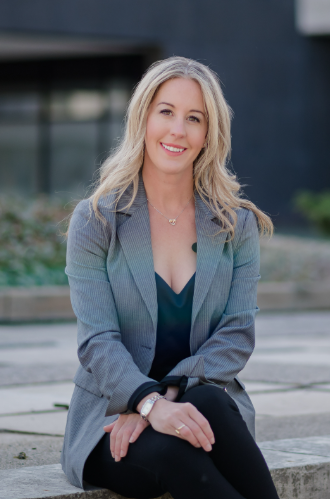
Kristen Krose

President and Founder SWON Public Affairs
Visit Kristen's website
  • Previously worked for former Prime Minister Stephen Harper, the Minister of International Cooperation, and for a Member of Parliament
  • Krose worked for provincial governments as well at Social Development in New Brunswick and the Ministry of Forests, Lands, Natural Resource Operations and Rural development in British Columbia
  • In March 2022, Krose founded SWON Public Affairs, a boutique firm dedicated to strategic communications, government relations, and advocacy
  • Actively involved with organizations including Big Brothers Big Sisters London, Homes for Heroes, the Veterans Wellness Alliance, the Garrison Community Council, and The Grand Theatre
  • Has been nationally recognized by Canadian Small Business Magazine and was named a 20 Under 40 recipient in 2023

Kristen Krose’s Priority Issues

Respecting the Taxpayer:

Bring transparency and value-for-money discipline to every major decision.

A City That Works:

Set clear service standards for the basics and report them publicly, prioritize maintenance and core infrastructure, make City Hall easier to deal with for residents and small businesses

Communities That Feel Safe:

Support the front-line and community partners who keep neighbourhoods safe.

Traffic That Moves:

Prioritize the corridor and intersection fixes Londoners feel every day.

Source: kirstenkrose.ca

Kristen’s Answers: Muslims & Islamophobia

How will you strengthen relationships and trust between police services and Muslim communities?

How will you work with mosques, Islamic schools, and Muslim organizations to improve community safety and emergency preparedness?

What steps will you take to address Islamophobia and anti-Muslim discrimination?

How will you ensure Muslim residents and community organizations have a meaningful voice in municipal decision-making?

How will you support Muslim organizations that provide community services, settlement support, youth programming, food assistance, and other essential services?

How can the city provide a more nuanced approach to zoning for religious institutions (such as mosques) given their practices, cultures and needs differ?

What do you think is the greatest problem the ward is facing, and how do you plan to address it?