Kitchener

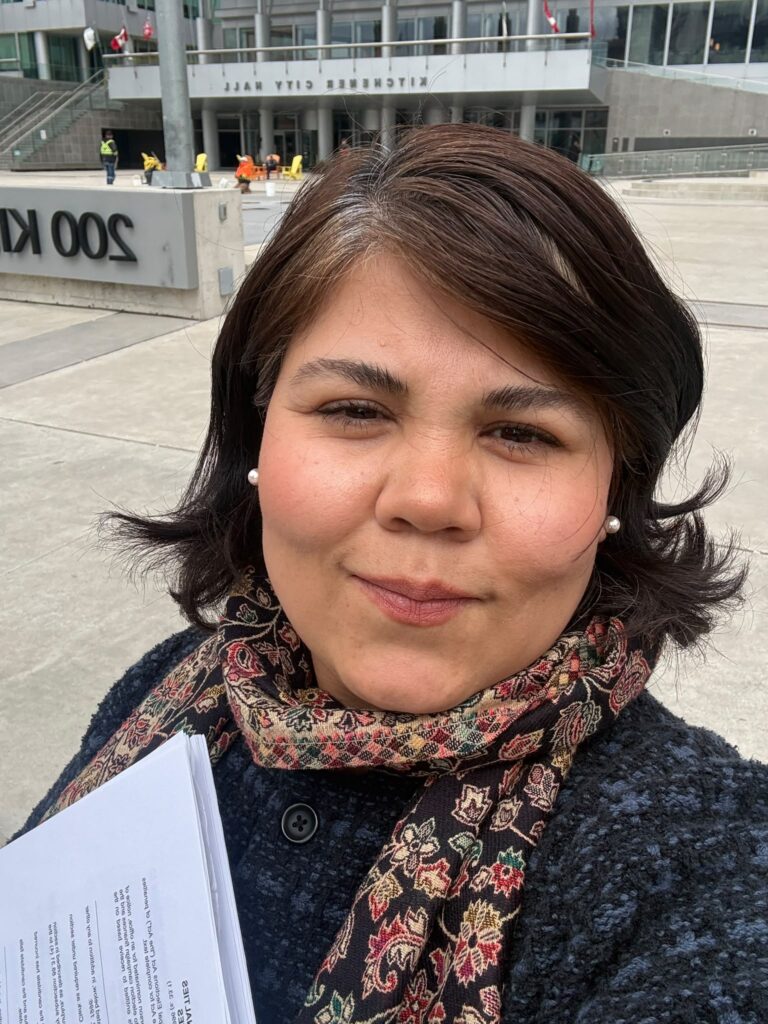
Wazhma Frogh

Founder Women and Peace Studies Organization (WPSO)
Visit Wazhma's website
  • Works as a human rights lawyer and peace-building strategist and founded WPSO
  • Has worked closely with newcomer families, women, youth, and racialized communities in the Waterloo Region
  • Has collaborated and volunteered with Family & Children’s Services, Centre for Mutual Wellbeing, Refugee613, YW Kitchener-Waterloo, and is a member of the Waterloo Region Record Community Editorial Board

Wazhma Frogh’s Priority Issues

Safe and accessible streets:

Well-lit streets, clean and maintained public spaces, safer road design, and sidewalks that are usable year-round

A place to call home:

Homes that families can afford, options for seniors to stay in their neighbourhoods, cooperatives etc, and smaller and flexible options for young people, open to discussing the possibilities of fourplexes

A city that works for people:

Clear communication, faster and more reliable servies, respectful and human interaction.

Democracy and participation:

Reaching people where they are, making information clear and accessible, creating real opportunities to engage

Belonging and community:

Safe spaces and support, seniors feeling connected, young people seeing a future

Source: linktr.ee/wfmayorcampaign?utm_source=linktree_profile_share

Wazhma’s Answers: Muslims & Islamophobia

How will you strengthen relationships and trust between police services and Muslim communities?

How will you work with mosques, Islamic schools, and Muslim organizations to improve community safety and emergency preparedness?

What steps will you take to address Islamophobia and anti-Muslim discrimination?

How will you ensure Muslim residents and community organizations have a meaningful voice in municipal decision-making?

How will you support Muslim organizations that provide community services, settlement support, youth programming, food assistance, and other essential services?

How can the city provide a more nuanced approach to zoning for religious institutions (such as mosques) given their practices, cultures and needs differ?

What do you think is the greatest problem the ward is facing, and how do you plan to address it?
Wazhma in the Media

>

No media coverage added yet for Wazhma.