Milton

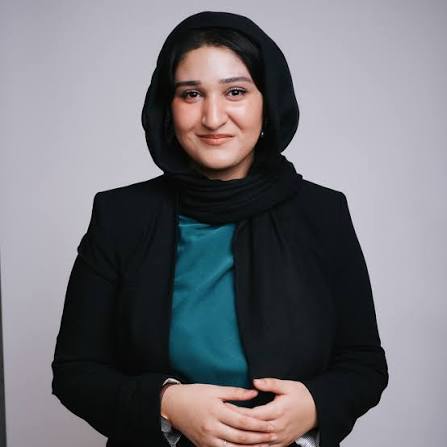
Zainab Azim

Teaching Fellow Harvard University
Visit Zainab's website
  • Named the Milton Citizen of the Year in 2022 and was the youngest ever Official Bellringer
  • Previously worked in the Office of the Deputy Prime Minister and Minister of Finance
  • Also served as the youngest ambassador and mentor in the United Nations Space4Women program
  • Has worked with nonprofits including the Urban Alliance on Race Relations and the National Education Policy Centre
  • Studied at Harvard where she became a Teaching Fellow teaching policy analysis, economics, and the practice of organizing powered movements people-
  • Was an organizer on Zohran Mamdanis’ mayoral campaign
  • Co-founded The Global Initiative and Vision for Education (GIVE)
  • Has published three books on education with a fourth on people-based politics forthcoming

Zainab Azim’s Priority Issues

Careers close to home:

Offices and retail space; measuring economic success by jobs and businesses not warehosuses,, support small businesses and start-ups, Fast track the Education Village: Innovation Hub

Transit every twenty:

Buses every 20 minutes, get around town in 20 minutes, all day GO & university shuttles, (check website for funding plan)

Alive after five:

Milton Central: Entertainment Square, affordable activities for all, more parks and community spaces

Safety and Snow Removal:

Sidewalk clearing expanded from 250km to 450 km of the network, free windrow clearing expanded for seniors and people with disabilities, an optional, affordable municipal windrow service for everyone else, Milton Snow Squad: paid winter jobs for high-schoolers, Snow Angels Milton: a volunteer match connecting neighbours with seniors who need a hand

Source: milton.com

Zainab’s Answers: Muslims & Islamophobia

How will you strengthen relationships and trust between police services and Muslim communities?

How will you work with mosques, Islamic schools, and Muslim organizations to improve community safety and emergency preparedness?

What steps will you take to address Islamophobia and anti-Muslim discrimination?

How will you ensure Muslim residents and community organizations have a meaningful voice in municipal decision-making?

How will you support Muslim organizations that provide community services, settlement support, youth programming, food assistance, and other essential services?

How can the city provide a more nuanced approach to zoning for religious institutions (such as mosques) given their practices, cultures and needs differ?

What do you think is the greatest problem the ward is facing, and how do you plan to address it?